Bondi Beach Attack Through the Open Source Lens
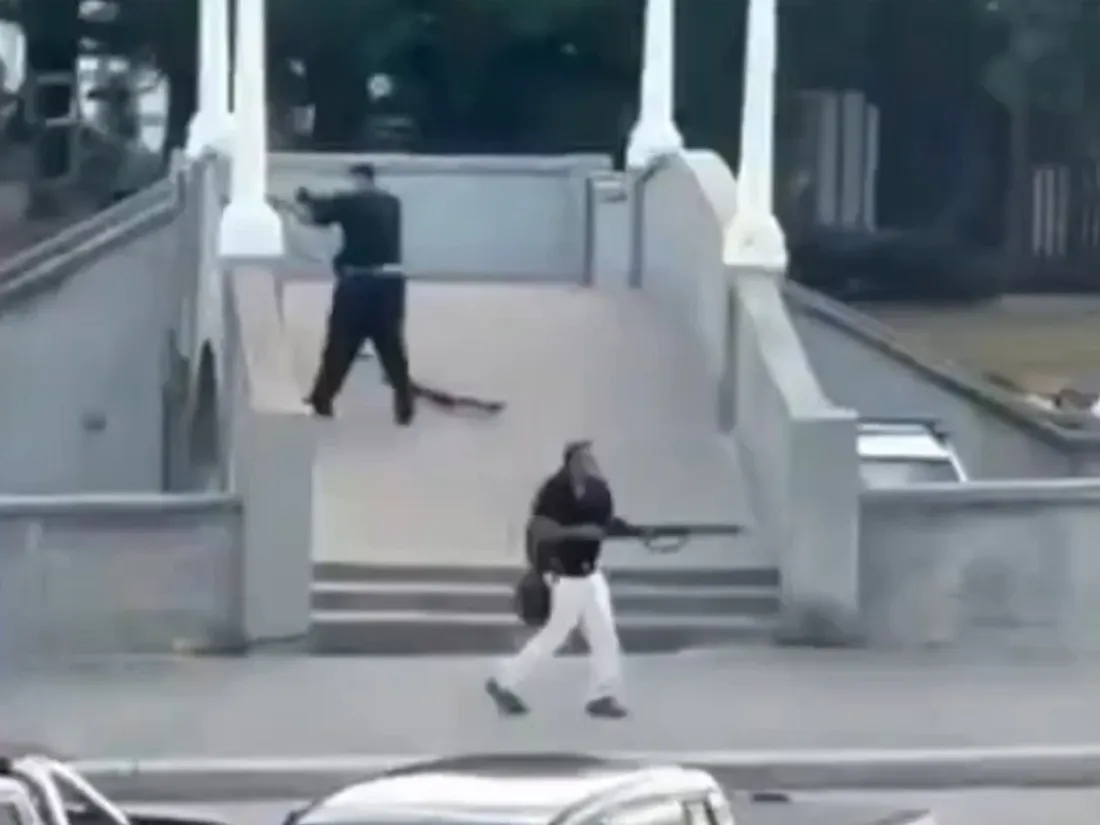
Incident Overview
A quiet summer evening at Bondi Beach on 14 December 2025 turned into one of Australia’s darkest days when gunmen opened fire on a crowded Hanukkah celebration, killing 15 people and wounding dozens. The public Hanukkah gathering, a time for families to come together, was tragically cut short by this senseless act of violence.
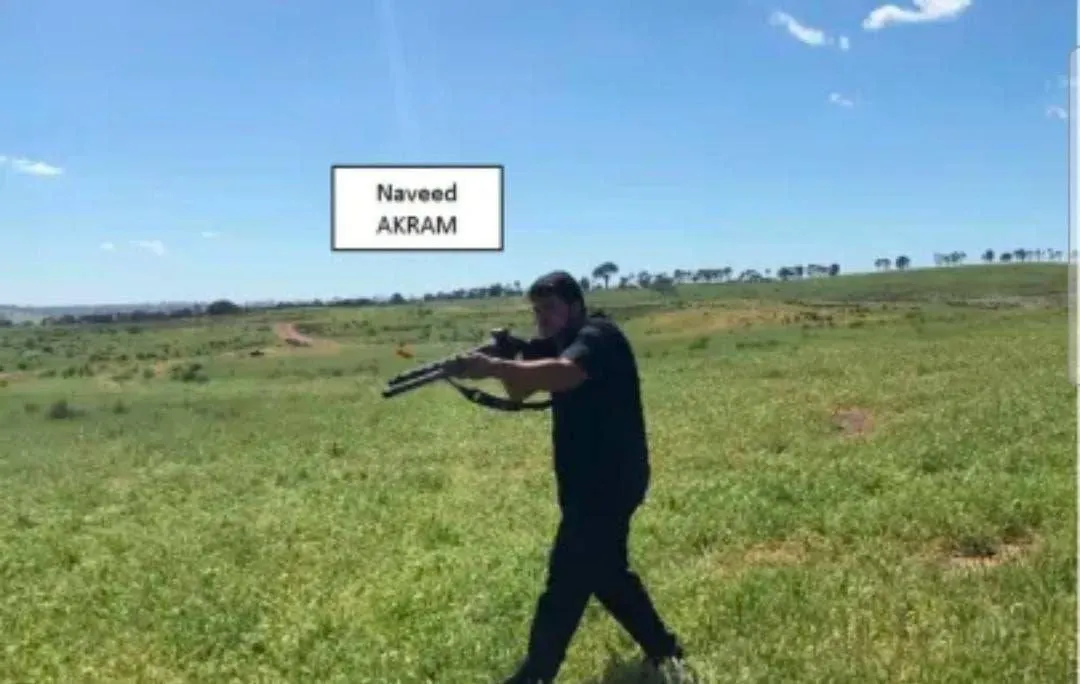
The twin attackers, identified by police as 50-year-old Sajid Akram and his 24-year-old son, Naveed Akram, unleashed a barrage of gunfire from a footbridge overlooking Archer Park, adjacent to the beach. The victims, ranging in age from a 10-year-old girl to an 87-year-old festival-goer, illustrate the indiscriminate slaughter inflicted during the assault. Sajid was killed by police at the scene, while his son was critically wounded and later taken into custody.
In the moments before the shooting, the pair are alleged to have thrown improvised explosive devices into the crowd, including pipe bombs and a so-called “tennis ball bomb.” Although none of the devices detonated, court filings revealed that they were viable, underscoring the premeditated nature of the attack.

Law enforcement later disclosed that the Akrams had trained together with firearms in rural New South Wales, recorded videos embracing extremist ideology, and conducted multiple reconnaissance missions ahead of the assault.
A Targeted Strike During Hanukkah
Authorities have classified the Bondi Beach massacre as a terrorist attack motivated by antisemitism and extremist ideology. The assault occurred during Chanukah by the Sea, a public celebration of Hanukkah, the eight-day Jewish festival commemorating the rededication of the Second Temple in Jerusalem over two millennia ago.
Hanukkah is one of the most widely observed Jewish holidays, symbolizing resilience and light amid adversity. In Sydney, specifically in the Bondi area, public celebrations have grown over recent decades alongside a vibrant Jewish community with roots dating back to the 19th century. Jewish settlers contributed to the cultural fabric of Sydney by establishing synagogues, community centers, and schools to preserve traditions bridging ancient heritage with modern Australian life. Bondi itself has become a gathering point for Jewish residents and visitors, who traditionally celebrate the festival with music, food, and communal menorah lighting.
Prime Minister Anthony Albanese condemned the attack as “an act of evil antisemitism,” vowing that “Australia will never succumb to hatred or division.”
Leaders around the world echoed the sentiment, with many framing the massacre as a deliberate strike against Jewish Australians at a moment of symbolic significance.
Unraveling the Motive
While investigations continue, evidence suggests that the Akrams were influenced by Islamic State-linked ideology, including possession of Islamic State flags and materials on their devices. This has led Australian federal authorities to describe the shooting as Islamic State-inspired terrorism, with antisemitic hatred at its core.
Security analysts note that the attack occurred amid a broader global climate of increasing antisemitic incidents, exacerbated by international conflicts and online radicalization. In the weeks leading up to the massacre, Jewish community security groups had warned of potential extremist threats to large public gatherings, such as Hanukkah events.